
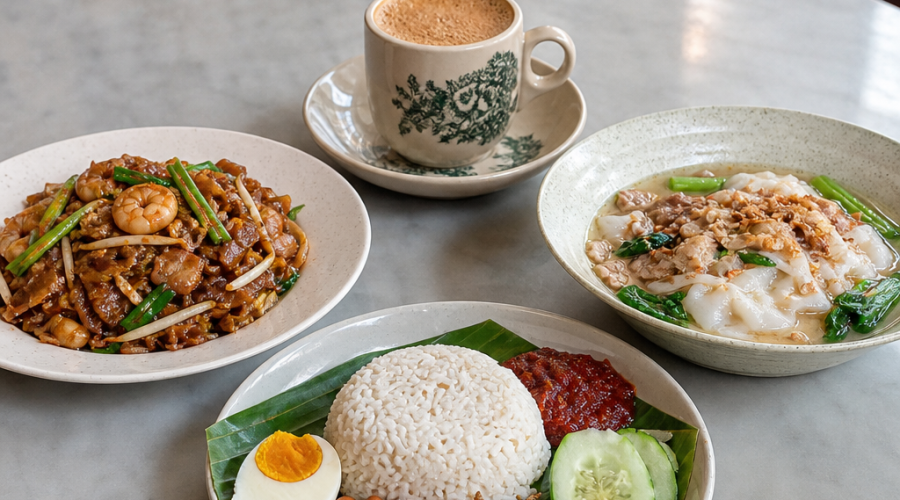
The Great Malaysian Food Feud: Penang vs. Ipoh vs. Kuala Lumpur
Let’s be real for a second. You don’t go to Malaysia just to see the Twin Towers or take a selfie with a monkey (though you’ll probably do both). You go to eat.
I’ve spent the last decade crisscrossing Southeast Asia, and I’ll stake my reputation on this: Malaysia is the food capital of the region. But here’s the problem—where do you get the best of it?
Ask a local, and you’ll start a riot. The Penangites will tell you their island is the undisputed king. The folks in Ipoh will roll their eyes and say Penang is a tourist trap. And Kuala Lumpur? Well, KL claims to have it all.
I’ve eaten my way through all three cities (and loosened my belt a few notches in the process). If you’re planning a trip to Malaysia in 2025, you need to know where to spend your calories.
Here is the ultimate showdown: Penang vs. Ipoh vs. Kuala Lumpur.
1. Penang: The Street Food Heavyweight
Penang is the Muhammad Ali of the food world—loud, famous, and undeniably great. George Town, the capital, is practically an open-air museum where the exhibits are edible.
- The Vibe: Chaotic, sweaty, and glorious. You’ll be sitting on a plastic stool in a back alley, sweating through your shirt, eating the best noodles of your life.
- The Must-Eat Dish: Char Kway Teow. We’re talking flat rice noodles stir-fried in pork fat with prawns, cockles, bean sprouts, and chives over an insane amount of heat (what locals call Wok Hei or “breath of the wok”).
- Best Spot: Siam Road Char Koay Teow. Expect to wait an hour. It’s worth it.
- The Verdict: Penang is intense. It’s for the purists who don’t mind a little grime if it means flavor that punches you in the face.
2. Ipoh: The Underrated Hipster Contender
If Penang is the loud heavyweight, Ipoh is the cool, quiet artist who knows they’re talented and doesn’t need to brag. Located between KL and Penang, travelers often skip it. Big mistake.
- The Vibe: Slower, cooler, and surrounded by stunning limestone karsts. The water here is rich in minerals, which locals claim makes the noodles smoother and the coffee better.
- The Must-Eat Dish: Ipoh Hor Fun (Chicken Kway Teow Soup) and Ipoh White Coffee. The soup is clear, sweet from prawn shells, and incredibly comforting. The coffee is roasted with palm oil margarine for a caramelized, buttery finish.
- Best Spot: Thean Chun (The Hall of Mirrors) for the noodles, and Sin Yoon Loong for the original white coffee.
- The Verdict: Ipoh is where you go for breakfast. It’s lighter, cleaner, and arguably more refined than the heavy-hitting flavors of Penang.
3. Kuala Lumpur (KL): The Melting Pot
KL is the modern metropolis. It’s where the village meets the skyscraper. You can eat Nasi Lemak for $1 on the street or spend $200 on a wagyu steak fifty floors up.
- The Vibe: Accessible and diverse. KL draws people from all over Malaysia (and the world), so you get a mash-up of Malay, Chinese, and Indian flavors all in one city.
- The Must-Eat Dish: Nasi Lemak. This is Malaysia’s national dish—coconut rice, spicy sambal, crunchy anchovies, peanuts, and a boiled egg. In KL, they serve it everywhere, from roadside stalls to 5-star hotels.
- Best Spot: Village Park Restaurant. It’s famous for its fried chicken Nasi Lemak. Even the Prime Ministers eat here.
- The Verdict: KL is the king of variety. If you want a killer Banana Leaf Rice curry for lunch and a Ramly Burger at 3 AM after a night out, this is your city.
The “Onalulu” Showdown: Who Wins?
If you only have time for one food destination, how do you choose?
- Go to Penang if: You are a hardcore foodie who prioritizes taste over comfort. You want the gritty, authentic, “Anthony Bourdain” experience.
- Go to Ipoh if: You prefer a relaxed pace, coffee culture, and lighter, soup-based noodle dishes.
- Go to Kuala Lumpur if: You want variety and accessibility. You want to try Malay, Chinese, and Indian food equally without traveling 4 hours between cities.
My Personal Pick? It’s controversial, but at 40, I’m leaning toward Ipoh. The crowds are thinner, the coffee is stronger, and you don’t have to fight an influencer for a table.
Practical Tips for Your Malaysian Food Tour
- Budget: You can eat like a king in any of these cities for $10–$15 USD a day.
- Getting Around: Use the Grab App (Southeast Asia’s Uber). It’s cheap, reliable, and saves you from haggling with taxis.
- Best Time to Visit: Avoid the rainy seasons if you can, but honestly, the rain just cools things down. The best eating happens year-round.
- Health Check: Street food in Malaysia is generally very safe. Look for stalls with long lines of locals—high turnover means fresh food.
There you have it—the holy trinity of Malaysian food. I’ve gained about 5 pounds just writing this, and I don’t regret a thing.
I want to hear from you. Are you Team Penang, Team Ipoh, or Team KL? Or did I miss a hidden gem in Melaka?
Drop a comment below and let the battle begin! And if you’re planning your trip, make sure to subscribe to Onalulu.com for more expert guides that help you travel smarter.
Frequently Asked Questions About Eating in Malaysia
If I had a dollar for every time someone asked me these questions, I’d have enough money to buy my own Nasi Kandar stall in Penang. Here are the honest answers to the most common queries I get about navigating Malaysia’s food scene.
This is the impossible question, and the answer usually depends on who you ask. If you want the undisputed, world-famous street food capital with incredible energy and wok-fried masterpieces, the general consensus is Penang. It’s legendary for a reason.
However, if you want variety—the ability to eat excellent Malay, Chinese, Indian, and international food all within a few city blocks—Kuala Lumpur is unbeatable.
But, if you asked me privately over a beer where the real hidden gem is right now? I’m sticking with Ipoh. It feels authentic, it’s less crowded, and the food quality is phenomenal.
This comes down to your travel style.
Choose Penang if you want the bucket-list experience. You are willing to brave heat, crowds, and long queues to taste iconic dishes like Char Kway Teow and Assam Laksa at their most famous spots. It’s intense, but rewarding.
Choose Ipoh if you prefer a slower pace. It’s about long, lazy breakfasts of dim sum and white coffee, and incredible noodle soups. Ipoh feels like Penang did twenty years ago before the mass tourism hit. It’s arguably the better choice for a relaxed, purely gastronomical getaway.
The cost of food in Malaysia for tourists is shockingly low compared to Western standards, especially if you stick to street food and local “kopitiams” (coffee shops).
You can easily get a world-class bowl of noodles or a plate of rice with toppings for 10–15 MYR ($2–$3.50 USD). A staggering amount of food at a sit-down, mid-range restaurant might run you 30–50 MYR ($7–$11 USD) per person.
Honestly, you can eat incredibly well on a budget of $15 USD a day. The thing that will kill your budget in Malaysia isn’t the food—it’s the alcohol, which is heavily taxed.
Yes, it is incredibly easy. Malaysia is a Muslim-majority country, and Kuala Lumpur is set up to cater to everyone.
Almost all Malay cuisine (like Nasi Lemak, Satay, Rendang) is Halal by default. Furthermore, the ubiquitous “Mamak” stalls (Indian-Muslim eateries open 24/7) are fully Halal and serve amazing rotis and curries.
When browsing Chinese street food vendors, you just need to look for the green Halal certification sticker or sign. If you are unsure, just ask the vendor—English is widely spoken in KL, and they will give you an honest answer. You will never go hungry looking for Halal street food in Kuala Lumpur.
